


TCS 2026 summer tire test: Which models should you choose (or avoid)?

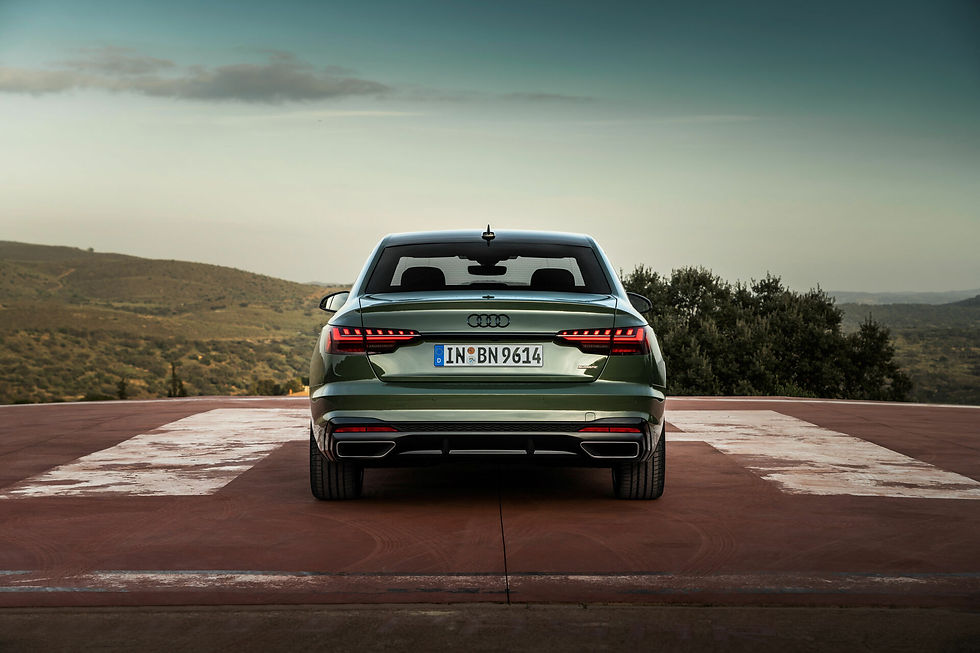
Before you pull out your sunglasses and start dreaming about your next getaway, let's take a quick look behind the scenes at the Touring Club Switzerland's Test & Technical event! This year, 16 summer tires in size 225/50 R17 98W/Y were put through their paces by the TCS: 6 premium tires, 5 quality tires, and 5 economy tires. This size is fitted to quite a few everyday cars — VW Sharan, Audi A4, A5, or TT, BMW 2, 3, and 4 Series, Škoda Octavia Scout and Yeti, Alfa Romeo Giulia, Peugeot 3008 or 5008, Volvo S80, V40, V60, or V70… Yes, there are quite a few in the running!
Our testers left nothing to chance: 15 criteria were scrutinized, ranging from road safety to environmental responsibility. And the results? Of the 16 models, 3 achieved the coveted "highly recommended" rating, 10 were "recommended," and 3 received the "recommended with reservations" label.
You'll see: not all tires are created equal, and sometimes, the "king of braking" hides a nasty surprise... Ready for the detailed review?
The elite of the road: revealed by the 2026 summer tire test
This year, the TCS didn't hand out medals to everyone. Out of the twenty or so competitors, only three tires earned applause: a "highly recommended" rating!
CONTINENTAL, PIRELLI AND GOODYEAR!
We'd almost like to invite these guys to the barbecue. Always on top form, rain, sun, or gravel.
Right behind them, we find a nice group of ten "recommended" tires , including classics like Firestone, Falken, and Michelin . They also do the job, but they sometimes have a minor flaw: a slip here, less-than-stellar grip there… Nothing too serious as long as you're not racing on a track.
For example, the famous Hankook deserves a closer look. Great on dry roads, but as soon as it gets wet, watch out for aquaplaning! It starts to skid at speeds as low as 73 km/h (great if you enjoy water sports), while the Continental PremiumContact 7 and the Pirelli Cinturato C3 stay on the road up to 80 km/h, as does the Goodyear EfficientGrip Performance 2. That's much more reassuring.
The Linglong paradox: superb braking... and that's all
Here's THE textbook example of this 2026 summer tire test: the Linglong Sport Master. On paper, it has everything going for it: champion of wet braking, stopping in under 30 meters. But, like a superhero who runs out of steam after the first scene, alas… the Linglong lacks endurance.
Ultimately, the TCS (Touring Club Switzerland) places it squarely in the "recommended with reservations" category (in other words, "only buy it if you really have nothing else available"). This tire is a bit like a clumsy sprinter: great for stopping quickly in the rain, but penalized everywhere else.
Rapid wear and tear and thirst for fuel…
But wait, there's more! Not only does the Linglong wear out faster than a pair of white socks at a festival, but it's also a gas guzzler: 6 liters per 100 km is the test record for fuel consumption. For comparison, the dream team of Michelin, Hankook, and Continental averages 5.4L – over the tire's lifespan, that difference adds up to a lot of stops at the gas station (and just as many coffees at service stations).
Game-changing braking distances (or changes your car's bodywork)
The TCS braking test is a bit of a bogeyman this year. On wet roads, the gap can be as much as 7.8 meters between the best and worst tires … Imagine two more cars between you and the obstacle!
And when braking from 100 to 0, some tires finish the job while the less effective ones are still rolling at 27.6 km/h (yes, that stings). A pedestrian or a wild boar, and then it's a whole different story…
“The deeper it is, the longer it lasts,” really?
If you thought that tread depth was the key to worry-free miles, the TCS (Touring Club Switzerland) has you in for a surprise. Michelin Primacy 5 and Linglong Sport Master start with the same tread depth (7 mm), but in the end, there's a huge difference!
Linglong: game over at 26,100 km.
Michelin: marathon runner, he covers up to 56,000 km !
The moral of the story? It's the wear and the rubber compound that make the difference. At 54 mg of abrasion per kilometer, Michelin delivers. At 131 mg, Linglong, on the other hand, crumbles like a forgotten biscuit. The moral of the story: choose a tough rubber compound over flashy, wide grooves.
Silence, is everything moving? Or not!
Electric car drivers know the struggle: from 25-30 km/h onwards, you mostly hear… the tires! (So much for the dream of total silence.)
In testing, the Greentrac Quest-X takes the prize for quietest tire (69 dB), while the Pirelli Cinturato (C3) rocks out at 73 dB. A 4 dB difference doesn't double the noise, but for your ears, it's like going from slow to techno. Intentional or not, it's a good incentive to choose wisely!
In short: how to avoid the tire that ruins your vacation
The TCS 2026 is crystal clear (since it's tested on wet surfaces!). For a worry-free summer, it's best to invest in a "recommended" or "highly recommended" model. Yes, they're sometimes a bit more expensive, but you'll benefit from improved braking, longer lifespan, better fuel economy… and you'll avoid those close calls at pedestrian crossings.
The Linglong, Lassa, and Leao trio? Save them for those nostalgic for surprises (or for propping open a door). For everyone else, aim for safety AND comfort. Your journeys will thank you, your bank manager too… and maybe even your neighbors, who will be less disturbed by the noise of the tires!


Comments